

News & insights
Independent thinking at the intersection of hospitality and residential.
Explore updates, analysis and practical guidance on opening and operating residential buildings with hospitality-grade standards. From pre-opening lessons learned to new approaches to mystery shopping and training, this is where Moricon shares what works.
Subscribe for practical thinking on hospitality-led design, audits, training, and portfolio performance.

Getting Move-Out Right: Why Last Impressions Matter Most
Horst Schulze's founding service philosophy at The Ritz-Carlton rested on three commitments: a warm welcome, fulfilment of wishes, and a fond farewell. Residential operators have, understandably, invested heavily in the first. The last, the fond farewell, remains one of the least deliberately designed stages of the entire resident journey, despite being the one a resident is most likely to talk about afterwards.
The Long Middle: Why Ongoing Service Standards Matter More Than Move-In Day
Resident experience strategy tends to concentrate on two moments: the arrival and the departure. That focus is understandable, both are emotionally charged and easy to design around. It is also incomplete. The months of ordinary residency in between are where a resident actually forms, or loses, the trust that determines whether they renew.

Who Actually Pays for the Five-Star Promise?
Read our article co-authored with Wisefields about structuring Service Charges for Branded Residences in Saudi Arabia.

Designing the Move-In Experience: From Show Suite to Front Door
A show suite is designed to sell a feeling. A first day in an actual home is where that feeling either holds or collapses. Move-in is the moment a resident's relationship with a brand promise stops being aspirational and becomes lived, and it remains one of the least deliberately designed stages of the entire resident journey.

The Resident Journey Starts Before Move-In
Most conversations about resident experience begin at move-in. That is already too late. By the time a resident collects their keys, the brand promise has been made, tested, and either confirmed or quietly broken, during the enquiry, the viewing, and the application. For operators focused on retention and net operating income, the pre-lettings journey deserves the same operational rigour as anything that happens after signature.
Sense of Place: What Standards Create That Marketing Cannot
Sense of place in a residential development is not created by the interior design.
It is created by the felt quality of being in a building that is genuinely well cared for. By a team that knows who you are. By standards consistent enough to feel effortless.

Measuring What You Have Built: How to Monitor Service Standards in a Branded Residence
A standards framework that is not measured is a document. A standards framework that is measured is an operational discipline.
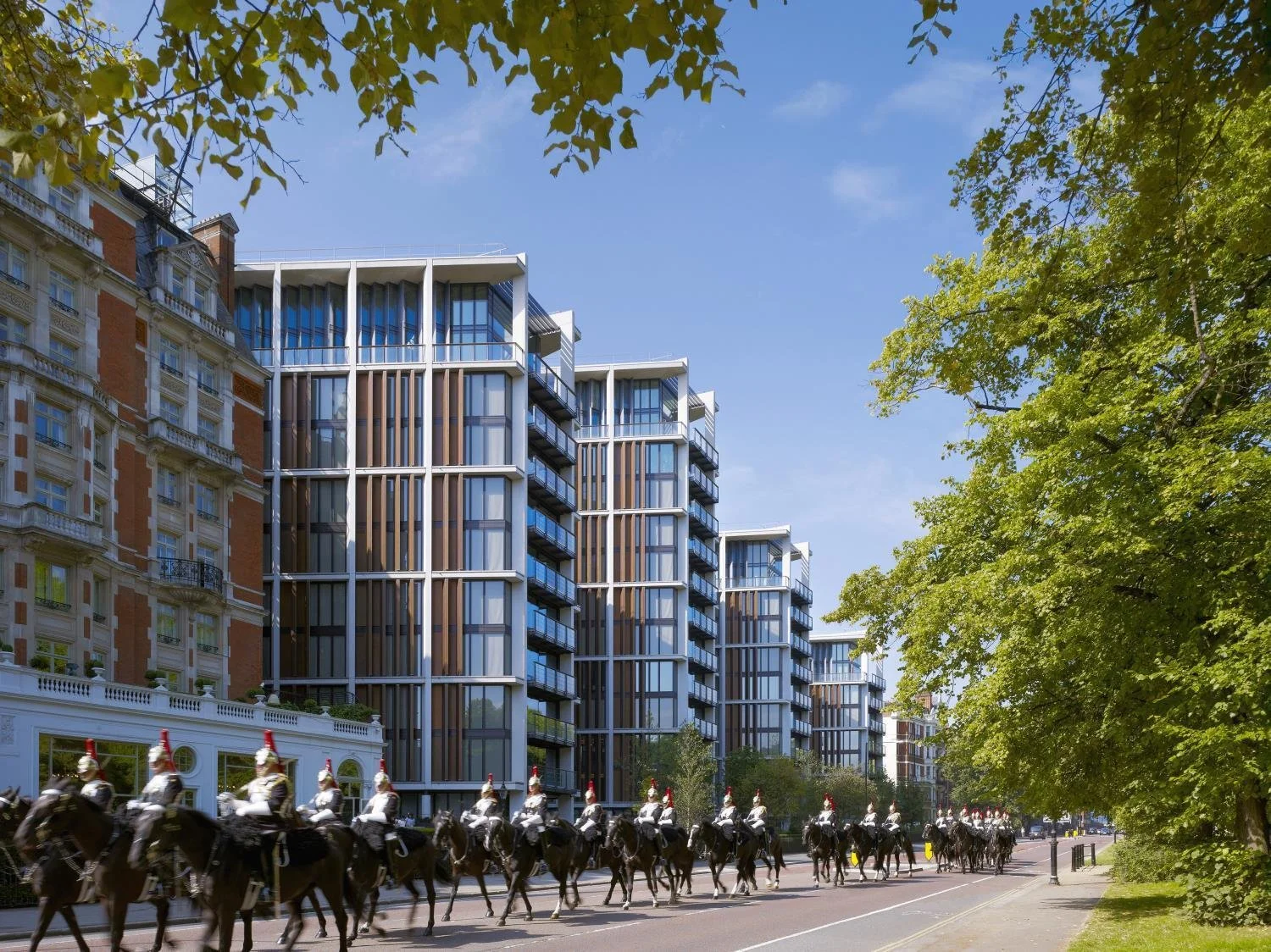
What One Hyde Park Taught Me About Building Standards That Last
Fifteen years ago, I took on a role that didn't really have a template yet: the first Director of Residences at One Hyde Park, from pre-opening through mobilisation to the day-to-day reality of post-opening life.

How Do Hotel Service Standards Apply to Residential Buildings?
Hotel service standards apply to residential buildings by translating the underlying discipline — not the guest-facing theatre — into a long-term living context. That means adapting three things: the standards themselves (what “good” looks like at each touchpoint), the team delivering them (trained specifically for this building, not generic hospitality scripts), and the way performance is measured (independent, ongoing audits rather than one-off inspections).

What Are the Benefits of Applying Hospitality Principles to Residential Property Management?
Applying hospitality principles to residential property management gives operators a structured, tested way to improve resident experience, rather than relying on individual staff instinct. The benefits are commercial as much as reputational: stronger retention, higher lettings conversion, fewer complaints, and a defined standard that protects the brand promise made at the point of sale or letting.
Why Hospitality Standards Matter More Than the Brand Name on the Door
The brand partnership in a Branded Residence creates the expectation. A globally recognised hotel group's name on the door tells every prospective owner what they can expect — the quality, the service ethos, the standard of care.
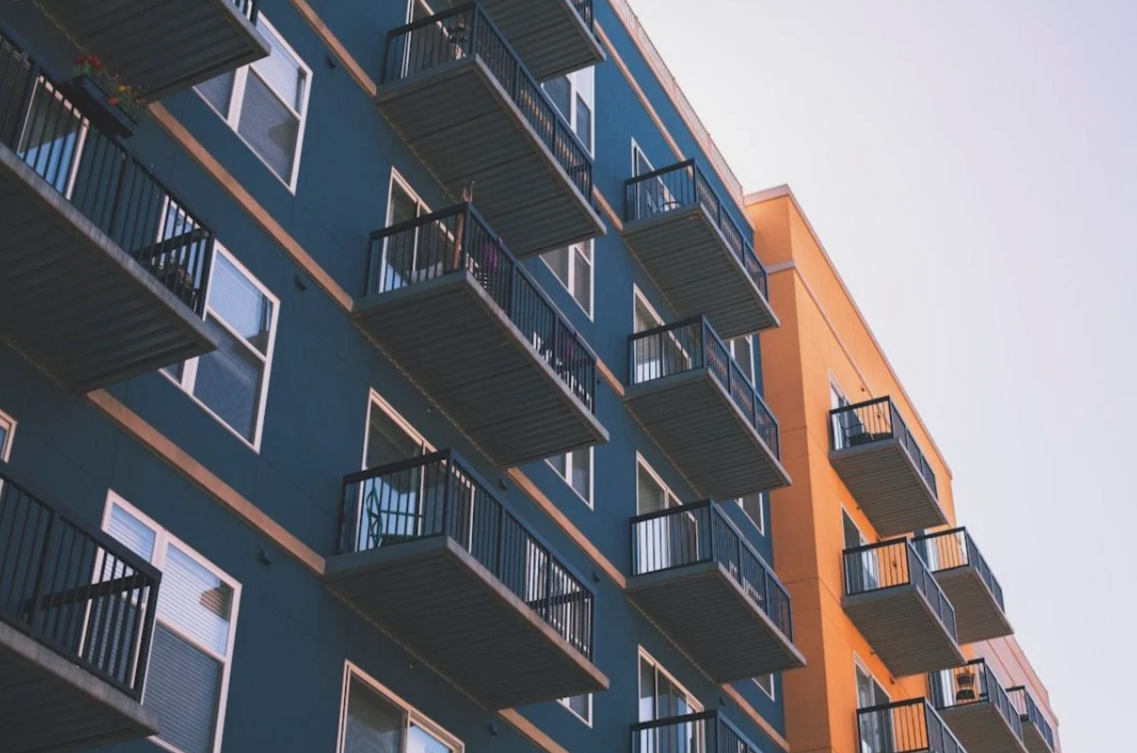
How Do You Ensure a Good Resident Experience in a New BTR Development?
A good resident experience in a new build-to-rent (BTR) development starts before the first resident moves in, not after. It requires three things working together: clearly defined service standards, a trained on-site team, and independent measurement to confirm the two are actually connecting.

Who Provides Independent Mystery Shopping Audits for Residential Portfolios?
Moricon Consultants runs independent mystery shopping and operational audits across residential portfolios, including build-to-rent (BTR), purpose-built student accommodation (PBSA), later living and branded residences.
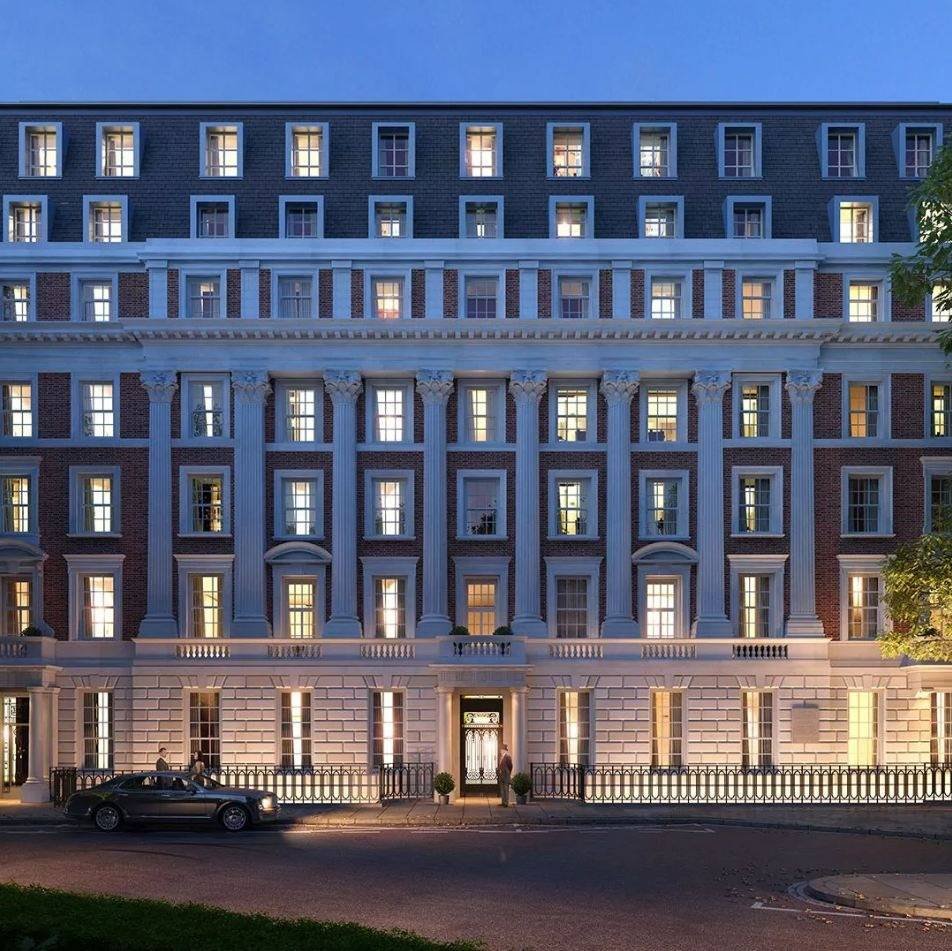
Who Can Help You Deliver a Branded Residence Without Appointing a Hotel Operator?
Developers do not need to appoint a global hotel operator to deliver a branded residence with genuinely five-star service. Moricon Consultants designs bespoke operational standards, service frameworks and training programmes that translate hospitality methodology directly into a residential context — independently of any hotel operator agreement, brand licence or ongoing management fee.
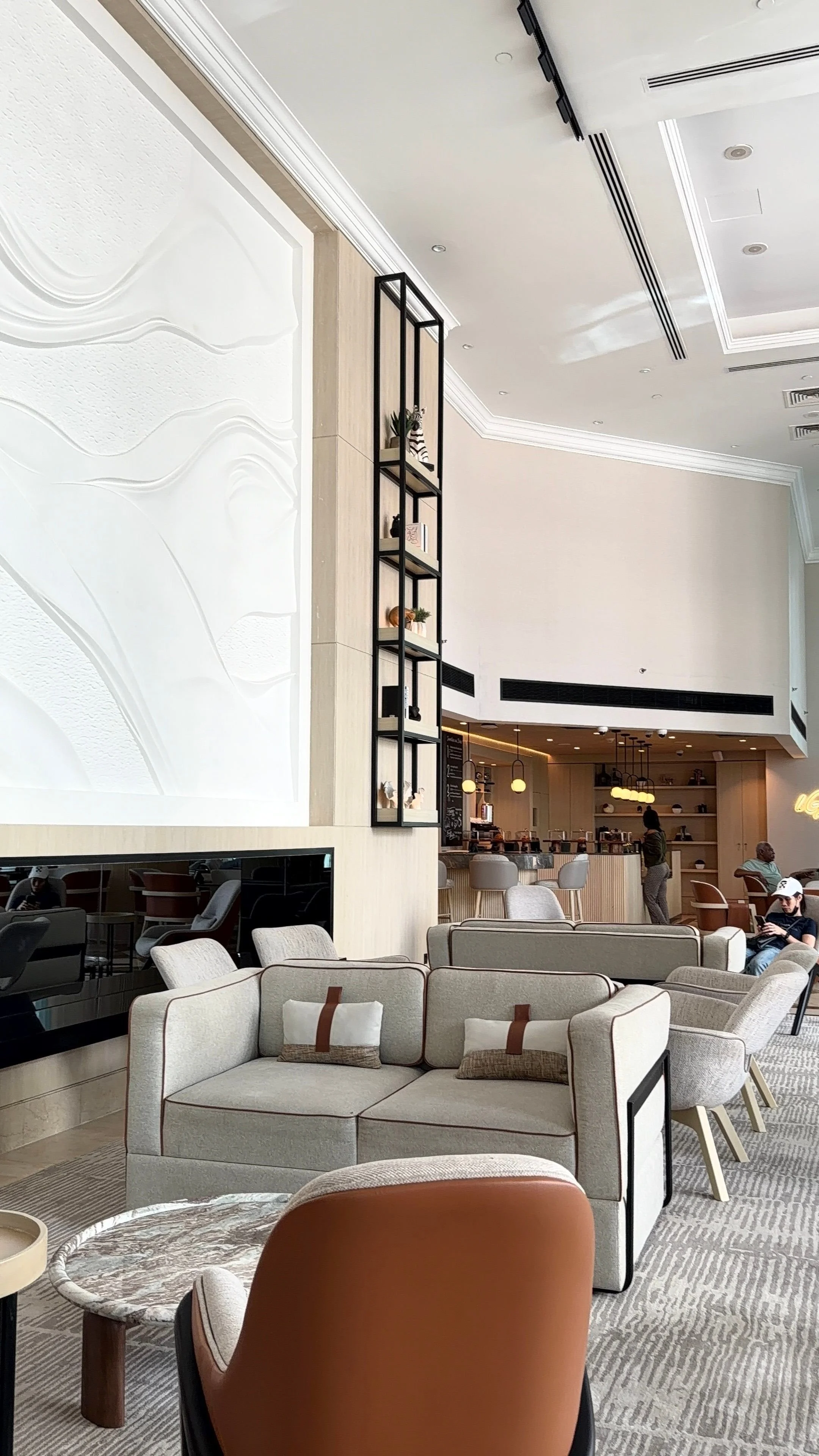
The First 30 Days of Trading in a Branded Residence: What No One Plans For
The first month of trading is when a Branded Residence tells you the truth.
Not the operational review. Not the stakeholder update. The lived experience of the first owners and residents, the way the team responds under the pressure of a live building, and the gaps
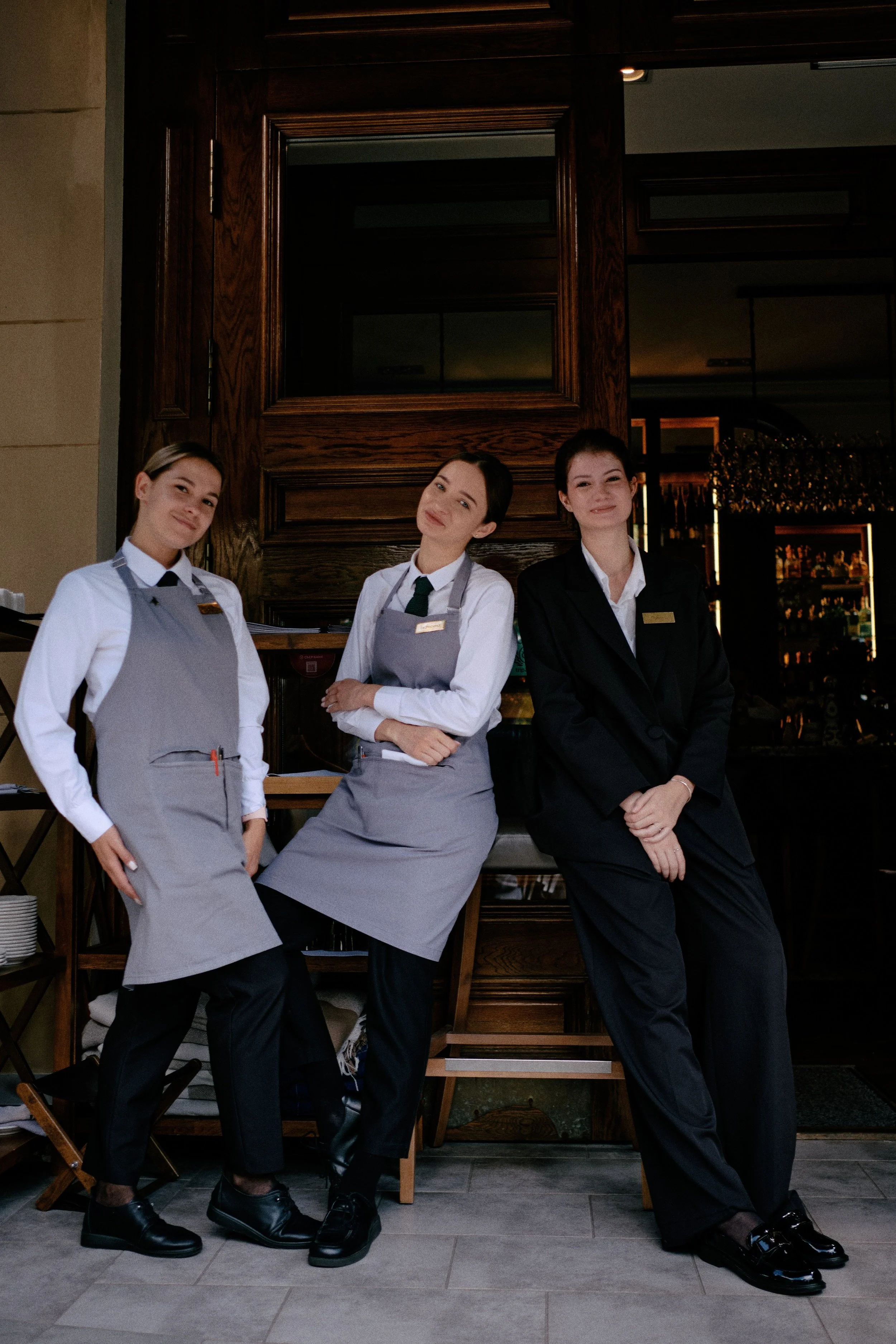
Building Service Culture in a Branded Residence Team: What Works — and What Does Not
Every time I walk into a Branded Residence, I can tell within a few minutes whether the team has a shared sense of what they are trying to do. It is visible in small things — whether someone steps forward before you have to look around, whether a colleague picks up a gap in service without being asked, whether there is a quiet confidence in how the team moves through the space.
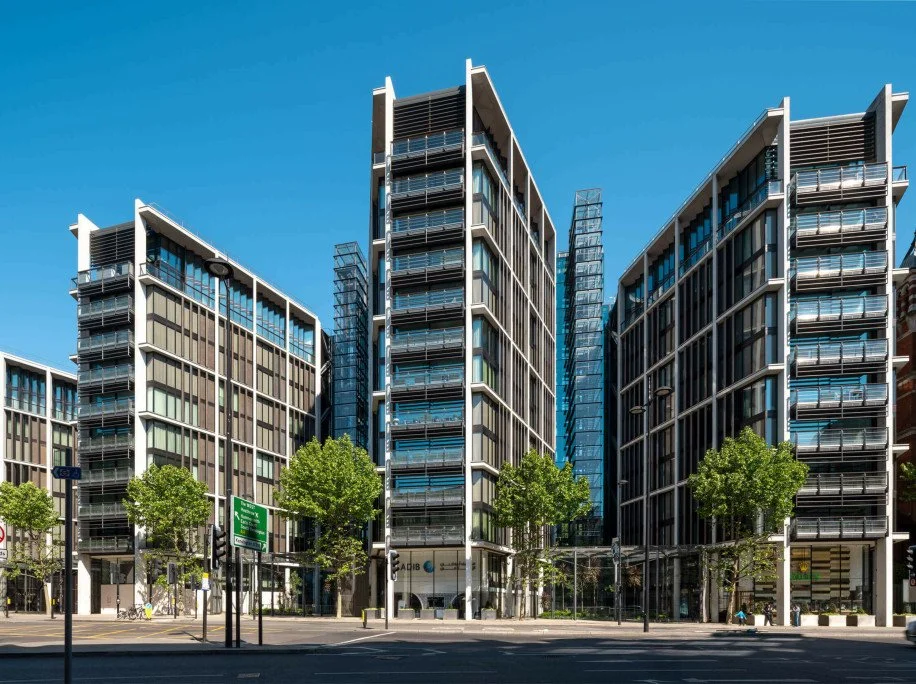
Lessons from One Hyde Park: What Luxury Residential Teaches Us About Service Culture
This is the first of three articles drawing on lessons from work in ultra-prime residential operations. I am not going to share confidential client detail. What I am going to share is what working at the highest end of residential property has taught me about service culture — because those lessons apply at every level of the market.
Why Most Branded Residence Operational Problems Are Created Before the Building Opens
There is a phrase that experienced pre-opening teams use in hospitality: 'You are always opening a building you designed 18 months ago.' In Branded Residences, this is not a metaphor. It is a precise description of how operational problems are created.
The Developer Decision Nobody Reverses
Most Branded Residence developments underperform at opening not because of design failures, but operational ones. The decisions that determine whether a building can deliver on its brand promise are made long before the first owner moves in — and most developers make them too late, too quickly, and with too little weight.
What 'Five Star' Means When You Live There
The brand promise in a Branded Residence is set before move-in — in the sales suite, the preview events, the marketing materials. Delivering that promise is not a hospitality problem. It is a service design problem. And it is one the sector has not yet solved.

Stay close to the thinking behind better buildings
Get thoughtful updates from Moricon Consultants on resident experience, operational performance, and hospitality-grade standards for residential portfolios. No noise, just insight you can apply.
Contact Us
Please get in contact to find out how Moricon can bring award winning hospitality expertise to your residential project.
Email: hello@moricon.net
Phone: +44 191 691 6260